Astigmatism is one of the most common refractive vision conditions affecting people of all ages. It occurs when the cornea (the clear front surface of the eye) or the lens inside the eye has an irregular shape. Instead of being evenly curved like a sphere, the surface is shaped more like an oval. This irregular curvature causes light to focus on multiple points rather than a single point on the retina, resulting in blurred or distorted vision. Astigmatism treatments in Sydney are designed to correct this focusing error and significantly improve visual clarity, comfort, and quality of life.
Understanding how these treatments work, when they are needed, and what options are available can help individuals make informed decisions about their eye health.
Understanding Astigmatism and Its Symptoms

Astigmatism may occur on its own or alongside other refractive errors such as short-sightedness (myopia) or long-sightedness (hyperopia). It can affect one or both eyes and may develop gradually over time.
Common symptoms include:
- Blurred or distorted vision at all distances
- Difficulty reading small text
- Eye strain or fatigue
- Headaches, especially after visual tasks
- Difficulty driving at night
- Squinting to improve focus
Some individuals may have mild astigmatism and not notice significant symptoms, while others experience more pronounced visual disruption. A comprehensive eye examination is essential for accurate diagnosis.
How Astigmatism Is Diagnosed
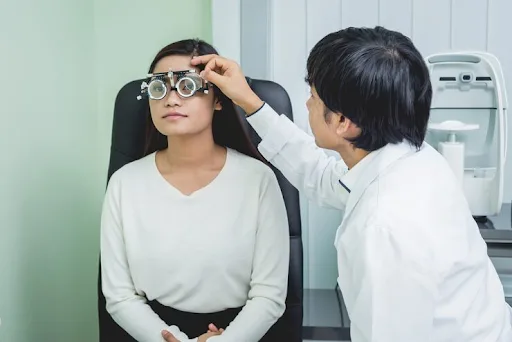
Diagnosis begins with a detailed eye assessment conducted by an optometrist or ophthalmologist. The examination typically includes:
- Visual acuity testing to measure clarity of vision
- Refraction testing to determine prescription strength
- Corneal topography to map the surface curvature of the eye
- Slit-lamp examination to evaluate eye health
Corneal mapping is particularly important, as it provides precise information about the shape and symmetry of the cornea. This allows practitioners to recommend the most appropriate astigmatism treatments in Sydney based on individual needs.
Non-Surgical Treatment Options
For many people, astigmatism can be effectively managed with corrective lenses.
Prescription Glasses
Glasses designed for astigmatism contain specially shaped lenses that compensate for the irregular curvature of the eye. These lenses bend light in a way that corrects the focusing error, allowing images to appear clear and sharp.
Modern lens technology allows for thin, lightweight designs that provide comfort and aesthetic appeal.
Toric Contact Lenses
Toric contact lenses are designed specifically for astigmatism. Unlike standard lenses, they have different powers across the lens surface to Toric contact lenses are designed specihttps://uploadsarticle.com/fically for astigmatism. Unlike standard lenses, they have different powers across the lens surface to correct uneven curvature. They remain stable on the eye to ensure consistent vision correction.
uneven curvature. They remain stable on the eye to ensure consistent vision correction.
Many patients find contact lenses convenient for sports or daily activities, and they can provide excellent visual outcomes when fitted properly.
Laser Eye Surgery Options
For individuals seeking a more permanent solution, refractive surgery may be considered. Several advanced procedures are available in Sydney.
LASIK
LASIK (Laser-Assisted In Situ Keratomileusis) reshapes the cornea using a precise laser. A thin flap is created on the corneal surface, and the underlying tissue is reshaped to correct the refractive error. The flap is then repositioned, allowing for rapid healing.
PRK
PRK (Photorefractive Keratectomy) removes the outer layer of the cornea before reshaping it with a laser. This method may be recommended for individuals with thinner corneas.
SMILE
SMILE (Small Incision Lenticule Extraction) is a minimally invasive laser procedure that corrects refractive errors through a small incision, preserving more corneal structure.
Each procedure has specific eligibility criteria. A thorough consultation is required to determine suitability based on eye health, corneal thickness, and overall medical history.
Benefits of Astigmatism Treatment
When appropriately diagnosed and treated, astigmatism correction can provide significant benefits:
- Improved visual sharpness
- Reduced eye strain
- Better night vision
- Enhanced reading comfort
- Greater confidence in daily activities
- Reduced dependence on corrective lenses (in surgical cases)
Many patients report noticeable improvement in quality of life once their vision is properly corrected.
Importance of Early Treatment
Untreated astigmatism can lead to ongoing eye strain and headaches. In children, uncorrected astigmatism may affect learning and visual development. Early detection through regular eye examinations ensures timely intervention and optimal outcomes.
Adults should also attend routine eye checks, especially if experiencing changes in vision.
When Additional Eye Conditions Are Present
In some cases, astigmatism may be influenced by other eye conditions. One example is pterygium, a growth of tissue on the white part of the eye that can extend onto the cornea. This growth may alter the shape of the cornea and contribute to refractive changes.
When pterygium affects vision, Pterygium treatment may be recommended. Treatment can range from lubricating eye drops for mild cases to surgical removal if the growth progresses or interferes with vision. Addressing underlying conditions ensures better overall visual outcomes and may improve astigmatism stability.
Combining Treatments for Optimal Vision
In some cases, treating both astigmatism and coexisting conditions like pterygium provides the best results. For example, removing a significant pterygium may stabilise corneal shape before considering refractive surgery. This integrated approach ensures comprehensive eye care and maximises visual clarity.
Safety and Professional Care

Astigmatism treatments in Sydney are performed by qualified eye care professionals using advanced diagnostic and surgical technology. Whether opting for glasses, contact lenses, or laser surgery, personalised assessment ensures safety and suitability.
During consultation, practitioners will review medical history, discuss expectations, and explain potential risks and benefits. Transparent communication helps patients make informed choices.
Final Thought
Astigmatism treatments in Sydney offer effective solutions for improving blurred or distorted vision. Options range from corrective lenses to advanced laser surgery, depending on individual needs and eye health. Accurate diagnosis through comprehensive eye examination is essential for selecting the most appropriate treatment.
When additional conditions such as pterygium are present, Pterygium treatment may also be required to restore corneal stability and visual clarity.
With proper assessment, personalised care, and regular eye health monitoring, individuals with astigmatism can achieve clearer vision, reduced discomfort, and improved overall quality of life.