Every website owner faces a critical challenge: getting their content discovered by search engines. Without proper indexing, even the best content remains invisible in search results. This is where UploadArticle.com sitemap generator becomes essential for your SEO strategy.
UploadArticle.com’s sitemap generator creates both XML and HTML sitemaps, ensuring compatibility with major search engines and web browsers. The tool automatically updates sitemaps whenever website changes occur, keeping search engines informed about your latest content.
Understanding XML Sitemaps: Your Website’s Roadmap to Search Success
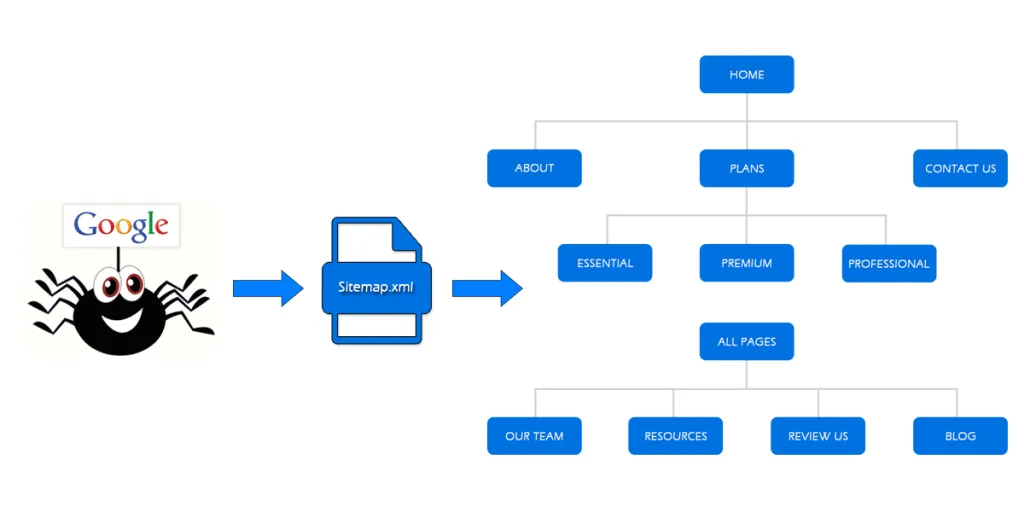
An XML sitemap serves as a structured file listing all important URLs on your website. Think of it as providing search engine crawlers with a comprehensive map that guides them to every valuable page.
Sitemaps provide search engines with a roadmap of your website’s structure, helping them crawl and index pages more efficiently. By including all pages in your sitemap, you significantly increase the likelihood of content being discovered and ranked by search engines.
Core Benefits of Using Sitemap Generator Tools
Improved Search Engine Crawling: Sitemaps provide search engines with a structured map of your website, making it easier for them to discover and index content. This systematic approach ensures no valuable pages get overlooked during crawl sessions.
Enhanced Website Indexing: With faster and more efficient indexing, website pages are more likely to appear in search engine results, increasing visibility and organic traffic. The speed advantage can mean the difference between ranking on page one or page ten.
Better User Experience: A well-structured sitemap not only benefits search engines but also enhances the user experience by helping visitors navigate websites more easily. This dual benefit makes sitemaps valuable for both technical SEO and usability.
Faster Content Discovery: XML sitemaps help search engines quickly discover new content on websites. Instead of waiting weeks for organic discovery, new pages can be indexed within days or even hours.

UploadArticle.com Sitemap Generator: Key Features and Capabilities
Automatic Sitemap Generation
Sitemap generators automate the process of creating and updating sitemaps, saving time and effort compared to manual methods. UploadArticle.com eliminates the technical complexity, making sitemap creation accessible to everyone from beginners to experienced SEO professionals.
Dual Format Support
The tool generates both XML sitemaps for search engines and HTML sitemaps for human visitors. This comprehensive approach ensures optimal performance for both technical SEO requirements and user navigation needs.
Scheduled Updates and Maintenance
Many sitemap generators offer scheduled updates, ensuring sitemaps remain up-to-date with any website changes. This automation prevents the common problem of outdated sitemaps that don’t reflect current site structure.
Error Detection and Reporting
XML sitemaps help identify broken links or errors on websites. This diagnostic capability helps website owners maintain clean, functional sites that search engines prefer to index.
Multimedia Content Support
Some sitemap generators support the inclusion of images and videos in sitemaps, enhancing the visibility of multimedia content in search results. For visual-heavy websites, this feature dramatically improves content discoverability.
How to Create Your Sitemap with UploadArticle.com: Step-by-Step Guide
Step 1: Access the Sitemap Generator
Visit UploadArticle.com and locate the sitemap generator tool. The intuitive interface makes getting started straightforward, even for first-time users.
Step 2: Enter Your Website URL
Input your complete website address, including the protocol (https://). The generator uses this URL as the starting point for crawling your entire site structure.
Step 3: Configure Crawl Settings
When selecting a sitemap generator, consider factors such as website size and complexity, level of customization required, and budget. Customize settings based on your specific needs:
- Set maximum page limits
- Define crawl depth
- Choose content types to include
- Configure update frequency
Step 4: Generate Your Sitemap
Click the generation button and let the tool crawl your website. By analyzing website structure, sitemap generators ensure all pages are included in the sitemap, reducing the risk of errors or omissions.
Step 5: Download and Implement
Once generation completes, download your sitemap files. Upload them to your website’s root directory so they’re accessible at yoursite.com/sitemap.xml.
Step 6: Submit to Search Engines
Within Google Search Console, navigate to Sitemaps, click Add or Test Sitemap, enter your XML Sitemap URL, and click Submit. This notification ensures search engines know exactly where to find your sitemap.
Step 7: Monitor and Maintain
If you make any significant changes to your website, it is recommended that you update your Sitemap and submit it again to Google Search Console. Regular maintenance keeps your indexing strategy effective.
Competitor Analysis: How UploadArticle.com Compares to Leading Tools
UploadArticle.com vs. XML-Sitemaps.com
XML-sitemaps.com provides free online sitemap generator service, creating an XML sitemap that can be submitted to Google, Bing and other search engines. While XML-Sitemaps.com has established reputation, UploadArticle.com offers competitive features with a more modern interface and better handling of large websites.
UploadArticle.com vs. Yoast SEO Plugin
With Yoast SEO you automatically get robust XML sitemaps for all of your content types, allowing search engines to quickly discover your content. By default, Yoast SEO excludes several posts and content types from the XML sitemap as these pages have no place in a sitemap.
For WordPress users, the current WordPress XML sitemap is very basic, while the XML sitemaps in Yoast SEO have been fully featured for many years. However, UploadArticle.com provides platform-independent solutions that work across all website types, not just WordPress installations.
UploadArticle.com vs. Screaming Frog SEO Spider
The Screaming Frog SEO Spider allows you to generate XML Sitemaps and Image Sitemaps for any website to submit to Google or other search engines. The Screaming Frog SEO spider has two pricing plans — free and paid. The paid plan costs $259 per year for one license.
While Screaming Frog offers advanced features for technical SEO professionals, the free plan doesn’t require digging into marketing budget but does have a crawl limit of 500 URLs and lacks several features. UploadArticle.com provides a cost-effective alternative for small to medium-sized websites without the steep learning curve.
Screaming Frog’s paid version allows crawling an unlimited number of URLs, along with giving access to each and every feature alongside free technical support. For businesses needing enterprise-level auditing, Screaming Frog remains the premium choice, while UploadArticle.com excels for straightforward sitemap generation needs.
UploadArticle.com vs. Growthack Digital Generator
The Growthack XML Sitemap Generator is a user-friendly, web-based application that enables you to create comprehensive sitemaps for websites automatically. The tool generates sitemaps in XML format following the sitemaps.org protocol.
Both tools offer solid free solutions, but UploadArticle.com distinguishes itself through its integration with the broader content management ecosystem on the platform.
Advanced Sitemap Optimization Strategies
Understanding Sitemap Protocol Standards
A single XML sitemap is limited to 50,000 URLs and can have a file size of up to 50 MB. If your website exceeds these limits, you’ll need multiple sitemaps organized in a sitemap index file.
The Yoast SEO plugin sets the limit even lower — at 1,000 URLs — to keep sitemaps loading as fast as possible. This performance optimization ensures search engines can quickly process your sitemap without timeout issues.
Essential Metadata Elements
The additional metadata is essential. Search engines can read when your content was last updated if there was any new content added and how all this content ties together. Properly structured metadata helps search engines prioritize crawling and indexing efforts.
Content Type Organization
Desktop sitemap generators are suitable for larger websites with complex structures and may offer advanced features for customization and optimization. Organizing your sitemap by content type (posts, pages, products, categories) helps search engines understand your site architecture more effectively.
Image and Video Sitemap Integration
An individual XML sitemap should be constructed for each content type, including video sitemaps which contain information on each video hosted or referenced within site content. This specialized approach dramatically improves multimedia content visibility in image and video search results.
News sitemaps should only reference articles which were published or modified within the last 48 hours. For news websites and publishers, this time-sensitive approach ensures breaking content gets indexed immediately.
Common Sitemap Errors and How to Fix Them
Crawl and Index Coverage Issues
Google Search Console will analyze your site and report any errors. Fix any issues found, if any, before resubmitting your Sitemap. Common problems include blocked URLs, noindex directives, and canonical issues that prevent proper indexing.

Robots.txt Conflicts
Pages which are blocked by robots.txt, set as ‘noindex’, have been ‘canonicalised’, paginated, or PDFs are not included as standard. Ensure your robots.txt file doesn’t accidentally block important pages you want indexed.
Duplicate Content in Sitemaps
Many times, they cover the same content and can appear as duplicate data to search engines. By setting individual PPC landing pages to noindex you will remove these from your XML Sitemap. Clean sitemaps that avoid duplicate content signals help search engines understand which pages deserve ranking priority.
Broken Links and Redirects
When you create a 301 redirect for a URL it is important that you delete the old URL. Including redirected URLs in your sitemap wastes crawl budget and confuses search engines about which version is canonical.
Unnecessary Content Inclusion
Theme and plugin data are shown in the XML sitemap. You really do not want to have any clutter in your XML sitemap, so it is best to turn off anything extra and unnecessary. A clean, focused sitemap performs better than one cluttered with low-value URLs.
XML Sitemap Best Practices for Maximum SEO Impact
Regular Update Schedule
Regularly update your sitemap to reflect changes to your website. For blogs and news sites, daily or weekly updates ensure new content gets indexed quickly. Business websites typically benefit from monthly updates unless making major content changes.
Include Only Indexable URLs
Include all relevant URLs, including pages, posts, and media files. However, only include pages that return 200 OK status codes and aren’t blocked by robots.txt or noindex directives.
Avoid Duplicate Content
Avoid duplicate content by using canonical tags or excluding redundant pages from the sitemap. This practice helps search engines focus crawl budget on unique, valuable content.
Submit to Multiple Search Engines
Submitting an XML Sitemap helps search engines, like Google, to index and crawl your website more efficiently. Don’t limit submissions to just Google—submit to Bing Webmaster Tools and Yandex as well for comprehensive search coverage.
Monitor Sitemap Performance
Give Google time to crawl your website. In the meantime, monitor your Sitemap. Use Google Search Console reports to track how many submitted URLs get indexed and identify any coverage issues requiring attention.
Sitemap Generator for Different Website Types
Blog Sitemap Configuration
For content-focused blogs, organize your sitemap to prioritize recent posts while including category archives and important static pages. Exclude tag pages and author archives unless they provide unique value.
E-commerce Website Sitemaps
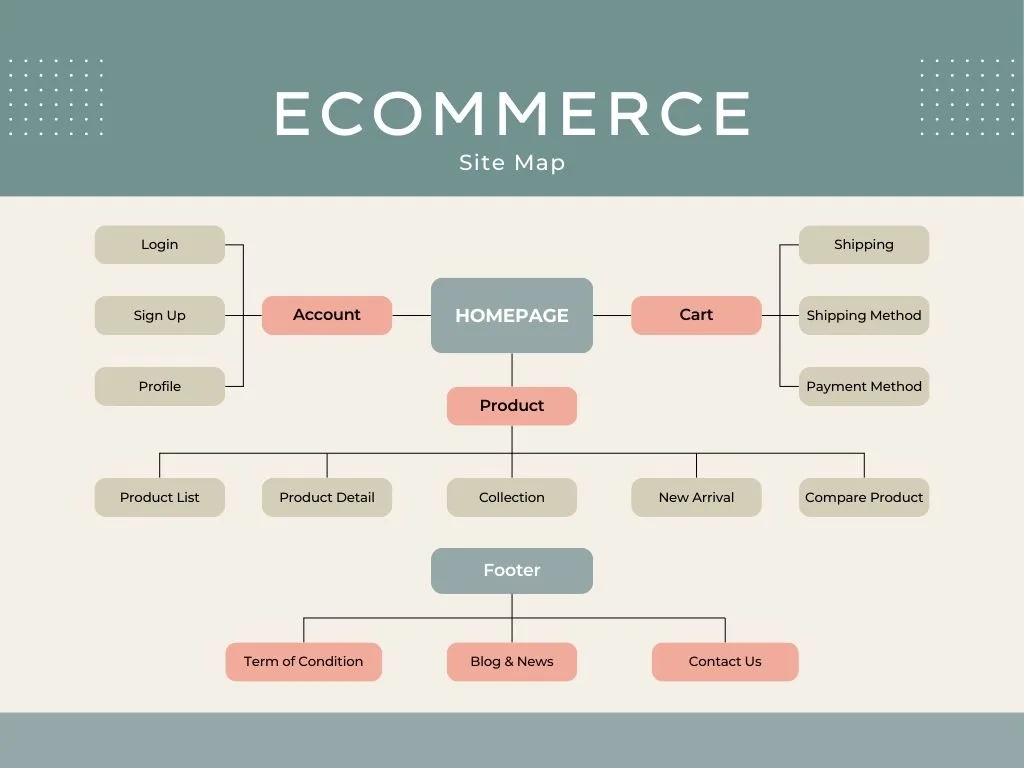
Online stores benefit from separate sitemaps for products, categories, and brands. Include image sitemaps to ensure product photos appear in image search results, driving additional traffic.
News and Publisher Sites
Our News SEO plugin adds an additional news sitemap which contains information about news articles published on the site. Time-sensitive content requires rapid indexing, making news sitemaps essential for publishers.
Local Business Websites
Our Local SEO plugin sitemap is generated based on the location data entered into the plugin. Location-based businesses should emphasize service area pages and location-specific content.
Portfolio and Creative Websites
Creative professionals should structure sitemaps to highlight project pages, case studies, and service offerings while keeping navigation simple and focused.
Technical SEO Considerations
Mobile-First Indexing
With the increasing use of mobile devices, sitemap generators may offer specialized features for optimizing sitemaps for mobile-friendly websites. Ensure your sitemap includes mobile-optimized pages since Google now uses mobile-first indexing.
International and Multilingual Sites
Large sitemaps may be split into individual, paginated files. For international websites, consider creating separate sitemaps for each language version or geographic region to improve targeting.
Structured Data Integration
Screaming Frog allows staff members to utilize XPath to extract social meta tags, prices, SKUs, and additional headings from the HTML of multiple web pages. Advanced sitemap tools can integrate structured data markup to provide search engines with richer content information.
Crawl Budget Optimization
Instead of merely letting search engines crawl every page on your site, a sitemap can help to prioritize your more important pages — saving your crawl budget. Focus your sitemap on high-value pages that deserve ranking priority.
Integration with Other SEO Tools
Google Search Console Connection
Sign in to your Google Search Console account, add your website by entering your website URL, choose a verification method and follow the instructions to verify website ownership. This integration enables comprehensive monitoring of sitemap performance and indexing issues.

Google Analytics Insights
Easily connect with Google Search Console and Google Analytics to pull in valuable data about page performance, traffic, and indexing issues. Combining sitemap data with analytics reveals which indexed pages drive actual traffic and conversions.
Third-Party SEO Platform Integration
For users already leveraging UploadArticle.com’s suite of SEO tools, Sitemap Generator seamlessly integrates with other tools to provide a comprehensive solution for website optimization. Platform integration creates unified workflows that streamline SEO management.
Measuring Sitemap Success: Key Performance Indicators
Indexation Rate
Track the percentage of submitted URLs that get indexed. Yoast SEO has a set of sensible defaults for what goes into the sitemap — excluding many pages that shouldn’t end up in sitemap in the first place. Aim for 80%+ indexation of submitted URLs.
Time to Index
Monitor how quickly new pages appear in search results after sitemap submission. Improvement in indexing speed indicates effective sitemap implementation.
Coverage Reports
Most website owners see a change in page ranking within days after proper sitemap submission. Regular monitoring helps identify issues before they impact rankings.
Organic Traffic Growth
The ultimate measure of sitemap effectiveness is increased organic search traffic. Track growth over 3-6 months to assess long-term impact.
Future of Sitemap Technology
AI-Powered Optimization
Emerging technologies will enable automatic priority and frequency optimization based on actual user behavior and search engine response patterns.
Real-Time Index Notifications
Advanced systems will provide instant alerts to search engines when content changes, reducing indexing lag from hours to minutes.
Enhanced Multimedia Support
The video XML sitemap uses a dedicated XSL file. Future sitemap protocols will offer richer metadata for multimedia content as voice search and video consumption continue growing.
Frequently Asked Questions About Sitemap Generators
How often should I update my sitemap?
Regularly update your sitemap to reflect changes to your website. For blogs and news sites, weekly or daily updates work best. Business websites can update monthly unless making major content changes.
Is UploadArticle.com sitemap generator free?
UploadArticle.com’s Sitemap Generator offers a user-friendly and efficient solution for creating and maintaining sitemaps for websites of all sizes. The tool provides free sitemap generation with features suitable for most small to medium-sized websites.
What types of websites can use sitemap generators?
Sitemap Generator is suitable for websites of all sizes and types, including blogs, e-commerce sites, and corporate websites. The tool adapts to various content management systems and website structures.
Can I submit sitemaps directly through the tool?
Sitemap Generator allows you to submit your sitemap to major search engines like Google, Bing, and Yahoo directly from the tool interface. This streamlined process saves time and ensures proper submission.
Are there size limits for sitemaps?
There is no limit to the number of pages that can be included in sitemaps generated by UploadArticle.com, which can handle websites of any size, from small blogs to large e-commerce sites. However, remember that individual XML sitemaps are limited to 50,000 URLs and can have a file size of up to 50 MB.
Does the tool support image and video sitemaps?
Yes, Sitemap Generator by UploadArticle.com supports image and video sitemaps, allowing you to optimize multimedia content for search engines. This feature proves particularly valuable for visual-heavy websites.
How long does Google take to index my sitemap?
Google Search Console will analyze your site and report any errors. Typically, indexing occurs within 24-48 hours after submission, though this varies based on site authority and content quality.
Will a sitemap guarantee better rankings?
Sitemaps ensure your content can be discovered and indexed, which is essential for ranking opportunities. However, by incorporating sitemaps into your overall SEO strategy, you can maximize the impact of your efforts and achieve even greater results. Quality content and other SEO factors still determine actual rankings.
Conclusion: Maximize Your SEO with UploadArticle.com Sitemap Generator
By harnessing the power of the Sitemap Generator by UploadArticle.com, website owners can enjoy improved search engine crawling, enhanced website indexing, and better user experience.
The tool streamlines the process of generating sitemaps and providing regular updates, empowering website owners to improve search engine crawling, enhance website indexing, and ultimately boost SEO performance.
Whether managing a personal blog, e-commerce store, or business website, proper sitemap implementation forms the foundation of effective search engine optimization. UploadArticle.com provides the tools needed to establish that foundation without requiring technical expertise or significant budget investment.
By choosing the right tool and following best practices, you can ensure that your website is effectively crawled, indexed, and ranked in search results. Start using UploadArticle.com’s sitemap generator today to improve your website’s search visibility and drive more organic traffic.