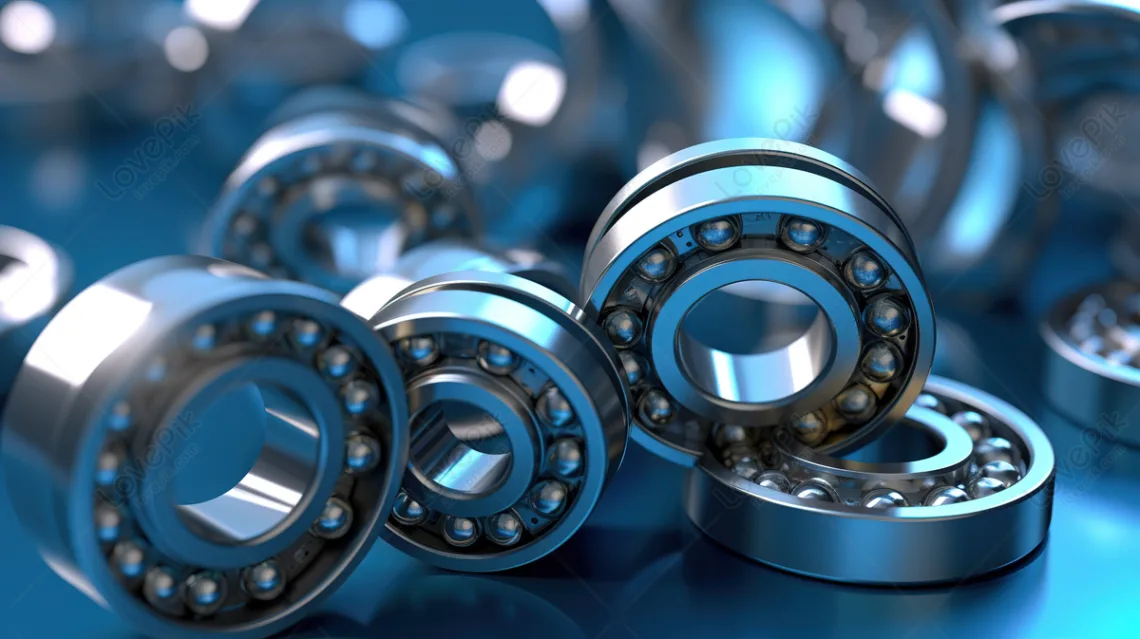
When you look at machinery working smoothly, you rarely notice the small components making it all possible. The 2RSB9053 is one of those unsung heroes—a bearing that keeps things moving with minimal friction and maximum reliability. Whether you’re working with industrial equipment, building DIY projects, or maintaining machinery, understanding this component can save you time, money, and headaches.
What Exactly is the 2RSB9053?
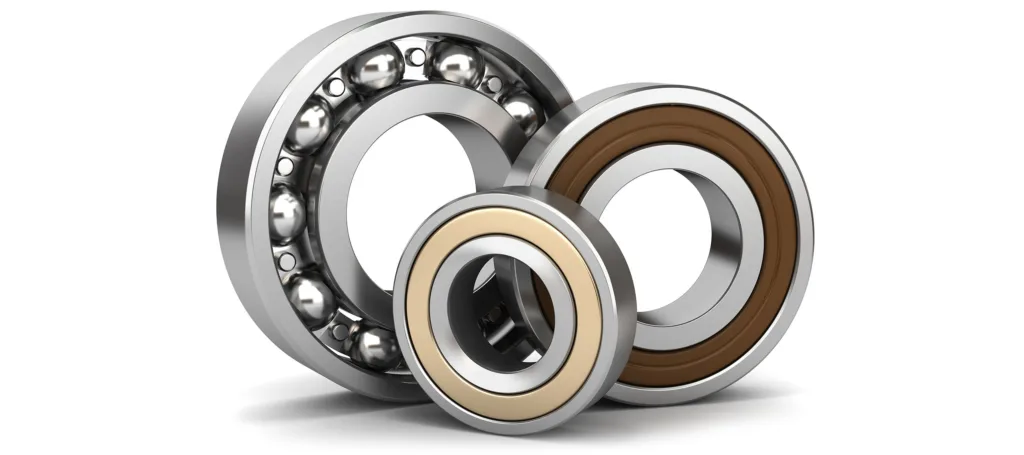
The 2RSB9053 is a deep groove ball bearing with a special protective feature. The “2RS” part of its name tells you it has double rubber seals on both sides, while “B” indicates it belongs to the deep groove ball bearing family—one of the most versatile bearing types available today.
Think of it as a precision component designed to reduce friction between moving parts while keeping everything aligned and moving consistently. The double seals aren’t just for show; they keep lubricants inside and contaminants outside, which means the bearing can work longer without needing your attention.
Breaking Down the Code
When you see “2RSB9053” on a bearing, here’s what each part means:
The 2RS designation refers to two rubber seals protecting both sides of the bearing. These seals block out dust, dirt, and moisture that could damage the internal components. Without them, the bearing would need constant maintenance and wouldn’t last nearly as long.
The letter B typically identifies this as a deep groove ball bearing design. This type can handle forces pushing both sideways (radial loads) and lengthwise (axial loads), making it incredibly versatile for different applications.
The number 9053 represents the specific size or design series. Different manufacturers might have slight variations, but this number helps you identify the exact specifications you need for your project or equipment.
How Does It Actually Work?
Deep groove ball bearings like the 2RSB9053 work through a clever but simple principle. Inside the bearing, you’ll find balls sitting in grooves between two rings, an inner ring and an outer ring. When one ring rotates, the balls roll smoothly along these grooves, creating much less friction than if two surfaces were just sliding against each other.
The deep grooves give these bearings their name and their strength. They’re cut deep enough that the balls nestle securely inside, which allows the bearing to support forces from multiple directions without the balls popping out or the bearing failing.
The rubber seals add another layer of protection. Most 2RSB9053 bearings come pre-lubricated with grease, and the seals keep that grease where it belongs while keeping harmful contaminants out. This sealed design is why these bearings can often run for years without needing maintenance.
Key Features That Make It Stand Out
Double Seal Protection
The sealed design isn’t just a nice extra, it’s what makes the 2RSB9053 practical for real-world conditions. Unsealed bearings need regular cleaning and lubrication, but the double seals on this bearing create a barrier that handles both jobs automatically. This matters especially in dusty workshops, outdoor equipment, or anywhere moisture might be present.
Handles Multiple Load Types
Unlike some bearings that only work well with specific forces, the 2RSB9053 can handle both radial loads (forces pushing perpendicular to the shaft) and axial loads (forces pushing along the shaft’s length). This versatility means you can use the same bearing type in more situations, simplifying inventory and replacement.
Built from Quality Materials
The rings and balls are typically made from chrome steel or similar high-strength alloys. This isn’t just about strength, these materials resist wear, corrosion, and fatigue over thousands of hours of operation. The rubber seals use materials like nitrile or fluoroelastomer, chosen for their durability across different temperatures.
Maintenance-Free Operation
Once installed correctly, a sealed bearing like the 2RSB9053 should work without additional lubrication for most of its life. This saves time and reduces the complexity of maintenance schedules, especially valuable when bearings sit in hard-to-reach locations.
Where You’ll Find These Bearings
Industrial Machinery
In factories and manufacturing plants, the 2RSB9053 appears in motors, conveyor systems, and automated machinery. Its sealed design protects it from the dust and debris common in industrial environments, while its load capacity handles the demands of continuous operation.
Electric motors particularly benefit from these bearings. They provide smooth rotation with minimal noise and vibration, which matters when motors run all day, every day. You’ll also find them in gearboxes, pumps, and compressors where reliability can’t be compromised.

Automotive Applications
Cars and trucks use countless bearings, and sealed types like the 2RSB9053 make sense for many applications. They appear in transmissions, where they help gears mesh smoothly, and in various other systems that need reliable rotation under changing conditions.
The sealed design protects against road grime, water splash, and temperature swings, all common challenges in automotive environments.
Household Appliances
Look inside your washing machine, dishwasher, or floor polisher, and you’ll likely find deep groove ball bearings at work. These appliances need quiet operation and long service life, which sealed bearings deliver. Air conditioners, fans, and vacuum cleaners also commonly use this bearing type.
Hobby and Recreation
Bicycles and skateboards rely on smooth, reliable bearings for good performance. The 2RSB9053 size and design make it suitable for these applications, providing the low friction needed for efficient pedaling or smooth rolling while protecting against dirt and moisture.
DIY Projects and Custom Builds
When you’re building something that needs rotating parts, whether it’s a homemade CNC machine, a custom conveyor, or a mechanical art project, choosing the right bearing matters. The 2RSB9053 offers a good balance of performance, protection, and availability that makes it popular among makers and engineers.
Installing Your Bearing Correctly
Getting installation right makes the difference between a bearing that lasts years and one that fails in months. Poor installation is actually one of the leading causes of premature bearing failure, so it’s worth taking time to do it properly.
Before You Start
Clean everything thoroughly. Any dirt or debris on the shaft or in the housing can cause problems later. Check that your shaft and housing dimensions match the bearing specifications, forcing a bearing into the wrong size opening damages it before you even start using it.
Gather proper tools. You’ll want something to press the bearing into place evenly. Hammering directly on a bearing almost always causes damage, even if it doesn’t show immediately.
The Installation Process
Start by aligning the shaft properly. Misalignment causes uneven loading and premature wear. When pressing the bearing into position, apply force to the ring that’s being fitted, never push through the balls or seals.
Make sure the bearing seats fully before applying any load. After installation, rotate it manually to check for smooth motion. Any grinding, catching, or unusual resistance means something isn’t right and needs correction before you run the equipment.
Common Installation Mistakes
Applying force through the wrong parts is the biggest mistake. If you’re fitting the inner ring to a shaft, press on the inner ring. If you’re fitting the outer ring to a housing, press on the outer ring. Pressing through the balls damages the precision surfaces that make the bearing work smoothly.
Another common error is assuming all bearings of similar size are identical. Always verify you have the correct part number and specifications before installing.
Keeping Your Bearing Running Well
While the 2RSB9053 is marketed as maintenance-free, smart monitoring can prevent unexpected failures and extend bearing life beyond typical expectations.
Regular Monitoring
Listen and feel for changes. Unusual noise or vibration often signals developing problems. A bearing that runs smooth and quiet should stay that way, changes in sound or feel deserve investigation.
Temperature matters too. A bearing that runs hotter than normal might indicate lubrication issues, excessive loading, or developing damage. In critical applications, thermal imaging or vibration analysis tools can catch problems before they cause failures.
Operating Conditions
Keep the bearing within its design limits. Each bearing has speed ratings and load capacities for good reasons. Pushing beyond these limits shortens life or causes outright failure.
Watch for exposure to chemicals or extreme temperatures that might degrade the seals. While sealed bearings handle normal environmental conditions well, they’re not invincible.
When to Replace
Don’t wait for complete failure. In systems where downtime costs money or creates safety risks, replacing bearings during scheduled maintenance prevents unexpected shutdowns. Look for signs like increased noise, higher operating temperature, or visible seal damage as indicators that replacement time is approaching.
Choosing and Buying the Right Bearing
Verify the Specifications
Always check that the bearing matches your needs. Size matters most, the inner diameter must fit your shaft, the outer diameter must fit your housing, and the width must work with your design. Load capacity and speed ratings also need to meet your application’s demands.
When specifications aren’t clearly listed, contact the manufacturer or supplier directly. Getting the wrong bearing wastes money and time.
Quality Matters More Than Price
Cheaper bearings often cost more in the long run. A bearing that fails early means downtime, labor for replacement, and potentially damage to other components. Quality bearings from reputable manufacturers include proper materials, precise manufacturing, and consistent performance.
Finding Reliable Sources
Look for suppliers who provide complete technical data, support questions, and can trace components back to their manufacturing source. Documentation matters, knowing exactly what you’re getting prevents surprises later.
Check that bearings come with appropriate certifications and meet recognized manufacturing standards. These aren’t just bureaucratic requirements; they indicate the bearing was made to consistent quality standards.
Comparing Different Bearing Options
Sealed vs. Unsealed
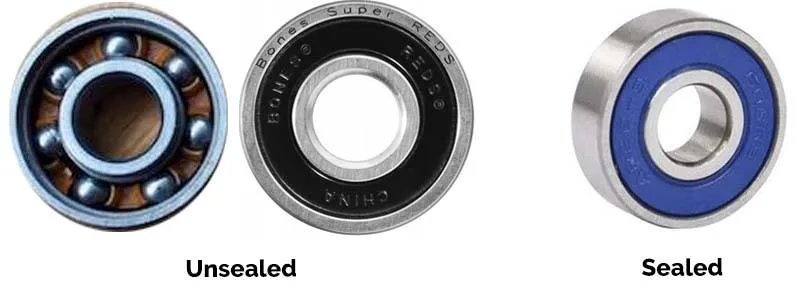
Unsealed bearings offer less resistance and can run at higher speeds, but they need regular maintenance and don’t handle contaminated environments well. Sealed bearings like the 2RSB9053 trade a small amount of speed capability for protection and convenience.
For most applications, especially where access is limited or conditions aren’t perfectly clean, sealed bearings make more sense.
Single Seal vs. Double Seal
Single sealed bearings protect one side while leaving the other open. This works when one side faces clean conditions, but double sealing provides complete protection. The 2RS designation on the 2RSB9053 indicates it has that double seal protection.
Size and Load Considerations
Bigger isn’t always better. Oversized bearings add unnecessary cost and may introduce other problems. Match the bearing size to your actual loads and speeds rather than just choosing the largest option.
Troubleshooting Common Problems
Excessive Noise
If a bearing that ran quietly starts making noise, investigate quickly. Possible causes include worn internal components, contamination that got past seals, or developing damage from improper loading or installation.
Early noise often means you can still save the system with bearing replacement. Waiting until noise becomes severe typically means other components suffered damage too.
Premature Failure
When bearings fail sooner than expected, look for root causes. Operating beyond speed or load ratings, incorrect installation, harsh environmental conditions, or poor quality components all contribute to early failure.
Seal Degradation
Seals can degrade from chemical exposure, excessive temperatures, or time. Visible seal damage means contamination may have reached internal components. Replace the bearing rather than trying to repair damaged seals.
Real-World Performance
What makes the 2RSB9053 practical isn’t exotic engineering, it’s solid design executed well. In industrial automation, these bearings keep production lines running. In household appliances, they provide quiet, reliable operation. In DIY projects, they offer accessible performance without excessive cost.
The balance of protection, capability, and maintenance requirements makes them suitable across diverse applications. You’re not paying for features you don’t need, but you get the protection and performance most applications require.
Making the Right Choice
Choosing a bearing shouldn’t be complicated. Start with your requirements—what size fits your design, what loads will it carry, how fast will it run, what environment will it face? Match those requirements against the specifications, and you’ll know if the 2RSB9053 fits your needs.
Don’t overlook installation and maintenance considerations. A bearing that’s hard to install or access for replacement might not be the best choice even if specifications match perfectly. Think about the complete picture, not just the numbers on a datasheet.
Check out our uploadsarticle.com for additional resources on this topic
Frequently Asked Questions
What does 2RS mean on a bearing?
The 2RS designation indicates double rubber seals on both sides of the bearing. These seals keep lubricant inside and contaminants outside, extending bearing life and reducing maintenance needs.
How long should a 2RSB9053 bearing last?
Lifespan depends on operating conditions, but with proper installation and use within specifications, these bearings typically provide years of reliable service. Harsh conditions, excessive loads, or poor installation shorten life.
Can I add more grease to a sealed bearing?
Sealed bearings come pre-lubricated and aren’t designed for regreasing. The seals that keep contaminants out also make adding lubricant difficult and may be damaged in the attempt. When a sealed bearing reaches the end of its lubrication life, replace it rather than attempting to regrease.
What’s the difference between deep groove and angular contact bearings?
Deep groove ball bearings like the 2RSB9053 have symmetrical grooves and handle both radial and moderate axial loads. Angular contact bearings have asymmetric raceways optimized for heavier axial loads in one direction. For most general applications, deep groove bearings offer better versatility.
How do I know if I have a genuine 2RSB9053?
Purchase from reputable suppliers who provide documentation and can trace components. Check that dimensions match published specifications and that the bearing includes proper markings. Counterfeit bearings often show poor finish quality, inconsistent dimensions, or lack proper documentation.
What temperature range can these bearings handle?
Most 2RSB9053 bearings with standard rubber seals work well between -40°C and +120°C. Specific temperature capabilities depend on seal materials and lubricant type, so check with your supplier for your particular bearing and application.
The 2RSB9053 represents practical engineering, taking the proven deep groove ball bearing design and adding sealed protection that makes sense for real working conditions. Whether you’re maintaining industrial equipment, building personal projects, or just trying to understand why your washing machine keeps spinning reliably, these bearings play a quiet but important role in keeping things moving smoothly.