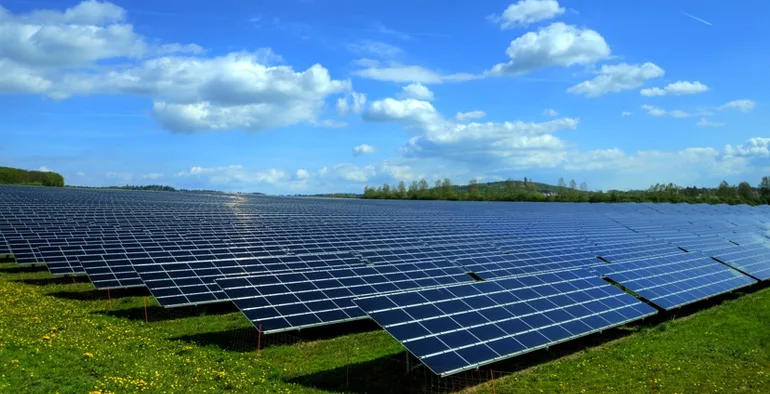
The global energy landscape is experiencing a dramatic transformation as renewable energy solutions become not just environmentally responsible choices, but economically compelling ones. Among the innovative technologies driving this shift, HMS Photovoltaik has emerged as a game-changing approach to solar power generation that combines cutting-edge hardware with intelligent monitoring systems.
As electricity costs continue rising and climate concerns intensify, homeowners and businesses worldwide are seeking sustainable energy solutions that deliver both environmental benefits and substantial cost savings. HMS Photovoltaik represents the convergence of high-efficiency solar panels, smart microinverter technology, and real-time monitoring capabilities—creating a comprehensive ecosystem for modern solar energy generation.
This comprehensive guide explores everything you need to know about HMS Photovoltaik systems, from technical fundamentals to practical applications, helping you understand why this technology is rapidly becoming the preferred choice for residential, commercial, and industrial solar installations.
What is HMS Photovoltaik? Understanding the Technology
HMS Photovoltaik refers to advanced photovoltaic systems that integrate intelligent hardware, monitoring capabilities, and software solutions to optimize solar energy production. Specifically, HMS stands for Hoymiles Microinverter Series—a product line from Hoymiles Power Electronics, the world’s second-largest microinverter manufacturer founded in 2012.
The HMS series includes single-phase microinverters ranging from 350 to 2000 VA, available in 1-in-1, 2-in-1, and 4-in-1 configurations. Unlike conventional solar setups that rely on basic panel-to-inverter configurations, HMS Photovoltaik introduces a sophisticated layer of intelligence that transforms how solar energy is captured, converted, and consumed.
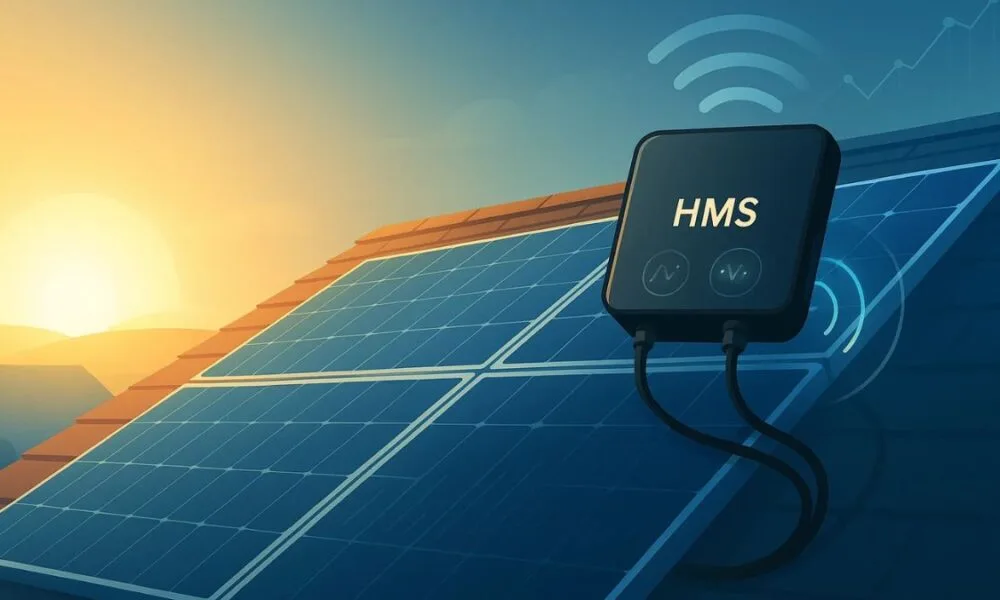
Core Technology Components
High-Performance Solar Modules: Modern photovoltaic panels engineered to maximize light absorption and energy conversion, even under challenging conditions like partial shading or low-light environments. The HMS series is designed for high-powered PV modules supporting up to 2000 VA output with four input channels.
Microinverter Architecture: Individual power conversion units attached to each solar panel, enabling independent operation. HMS microinverters achieve industry-leading peak efficiency of up to 96.7% with IP67 enclosure rating for durability.
Smart Monitoring Systems: HMS series utilizes Sub-1G wireless solution (868 MHz or 915 MHz band) ensuring stable communication with gateway DTU, providing 1.5 to 2 times longer range than traditional 2.4GHz spectrum.
Integrated Control Solutions: Automated management tools that optimize energy distribution, facilitate battery storage integration, and enable seamless grid connectivity.
Latest 2025 Innovations: The MiS Series Launch
In February 2025, Hoymiles launched its highly anticipated MiS series microinverters at Intersolar North America, boasting the lightest weight and highest efficiency in its class with a weight of just 2.43 lbs, lighter than most laptops.
The MiS 1-in-1 model offers a compact, easy-to-install design that cuts installation time by 70% compared to traditional systems. This represents a significant advancement in HMS Photovoltaik technology, making installations faster and more cost-effective than ever before.
Hoymiles was recently included in BloombergNEF’s Tier 1 Global Energy Storage Manufacturers ranking in Q1 2025, confirming its position as an industry leader in both microinverter and storage solutions.
HMS Photovoltaik vs. Competitor Microinverters: 2025 Market Analysis
Market Position and Pricing
The microinverter market in 2025 is dominated by three major players:
Enphase Energy (Market Leader)
- Holds 60% market share in 2025
- Pricing: $166-$242 per unit
- 25-year warranties standard
- Grid-forming capabilities with IQ8 series
- Premium brand reputation
Hoymiles HMS Series (Value Leader)
- Second-largest microinverter manufacturer globally, offering 20-40% cost savings compared to Enphase while maintaining solid performance
- Pricing: $100-$180 per unit
- For a 20-panel system, Hoymiles systems are approximately $6,453 cheaper than equivalent Enphase systems
- 12-year standard warranty, extendable to 25 years
- Failure rate: 0.18% on average
APsystems (Mid-Range Option)
- Pricing: $120-$200 per unit
- Specializes in dual-panel and quad-panel configurations
- 10-year standard warranty
- DS3 series offers up to 440W output per channel with dual-module design, reducing component count by three times compared to single-module systems
Performance Comparison
Hoymiles leads with 97%+ efficiency alongside Enphase, ensuring minimal energy loss during DC-to-AC conversion. In shaded or complex roof conditions, microinverters can increase energy production by 5-25% compared to string inverters, justifying the premium through enhanced long-term performance.
Real-World User Feedback
Professional installers report HMS-2000-4T-NA inverters connected to 455W bifacial panels producing up to 512W DC input and over 1936W AC output, demonstrating exceptional real-world performance that exceeds rated specifications.
Customer reviews highlight easy installation with systems producing 715 watts even under cloudy UK conditions within the first hour of operation. However, some users report customer service challenges, particularly with registration issues and support response times.
French installers generally express good satisfaction with Hoymiles, citing attractive value-for-money as a major advantage, though some professionals have reservations about long-term durability in extreme climatic conditions.
Hoymiles was honored with the SolarProsumerAward 2024/2025 by EUPD Research in Germany, based on feedback from approximately 6,200 German PV system owners, confirming strong end-user satisfaction in European markets.
Core Components of HMS Photovoltaik Systems: Technical Deep Dive
1. HMS Microinverter Models and Specifications
HMS-1600 Series
- Output: 1,600 VA; Compatible with 320-540W+ PV modules
- Four input channels with independent MPPT
- Ideal for standard residential panels
HMS-1800 Series
- Output: 1,800 VA; Compatible with 360-600W+ PV modules
- Balanced performance for mid-range panels
- Maximum input voltage: 65V
HMS-2000 Series (Flagship Model)
- Output: 2,000 VA; Compatible with 400-670W+ PV modules
- Compliant with U.S. NEC-2017 and NEC-2020 Article 690.12 and CEC-2021 Sec 64-218 for rapid shutdown
- Maximum continuous output power: 1918 VA
- Features reactive power control, compliant with EN 50549-1:2019, VDE-AR-N 4105:2018
Cost-Effective HMS-C and HMS-D Variants
- Introduced as cost-effective versions with 1,600 VA, 1,800 VA and 2,000 VA output options to lower upfront solar project costs while maintaining performance
- HMS-C available in Europe, North America, Oceania
- HMS-D available in Latin America and Asia Pacific
2. Communication and Monitoring Infrastructure
HMS series exclusively uses Sub-1G wireless solution operating on 868 MHz or 915 MHz bands, providing significantly longer range and superior interference suppression compared to Wi-Fi. This wireless transmission covers 1.5 to 2 times longer distance than 2.4GHz spectrum, making it particularly suitable for PV microinverters in commercial and industrial settings.
Gateway Requirements
- HMS microinverters require Hoymiles gateway models DTU-Pro-S or DTU-Lite-S for internet connectivity and monitoring
- DTU communicates with cloud over WiFi or Ethernet, with cellular DTU option available
- Monitoring accessible via Hoymiles app and S-Miles Cloud platform online
3. Safety and Compliance Features
HMS microinverters include all-around protection mechanisms including anti-islanding protection, input reverse polarity protection, and 6000V surge protection. IP67 (NEMA 6) enclosure rating ensures dust-tight and water-submersion protection up to 1 meter depth.
Cost Analysis and Return on Investment: 2025 Real-World Data
Equipment and Installation Costs
Microinverter Hardware Costs (2025)
- Microinverters range from $100 to $250 per unit depending on brand, model, and power rating
- Microinverters cost $150-$300 each on average, requiring one per panel, adding 15-25% to total system cost compared to string inverters
- For a 5 kW system requiring 8 modules of 400W panels, total microinverter cost: $800-$2,000
Installation Labor
- Installation costs for microinverter systems range from $1 to $3 per watt; a 5 kW system installation: $5,000-$15,000
- Microinverters for residential systems: $2,700-$10,200 total including installation
- Average 12 kW solar installation on EnergySage: $29,649 before incentives (approximately $2.47/watt)
System Component Costs
- Wiring, mounting systems, and electrical safety equipment add $1,000-$2,000
- Monitoring technology: $300-$800 (basic to advanced panel-level systems)
- Mounting systems: $2,400-$2,800 for standard roof mounts
Cost-Benefit Analysis: HMS vs. String Inverters
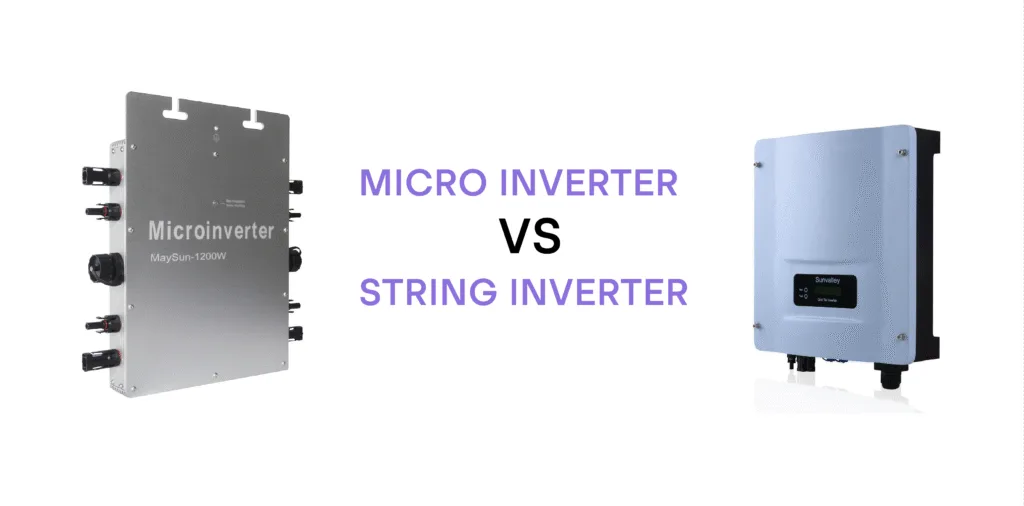
String Inverter Systems
- String inverters cost $800-$2,500 on average for residential systems
- Solar inverter typically represents 6-9% of total solar system cost
- String inverters last 10-15 years, requiring replacement sooner than panels
Microinverter Systems Value Proposition
- While microinverters add $1,500-$3,000 to typical residential systems, they increase energy production by 5-25% in shaded or complex roof conditions
- Payback period: 15-20 years in optimal conditions; 7-12 years in shaded conditions due to 15-25% energy production increase
- Microinverters typically last 15-25 years with warranties up to 25 years, often matching solar panel lifespans
Financial Incentives (2025)
Federal Solar Investment Tax Credit: 30% of complete system cost including microinverters, available through 2032. However, recent legislative proposals may eliminate residential solar tax credit as early as end of 2025; homeowners should consult tax professionals and consider acting quickly.
States with most generous solar incentive programs offer additional rebates up to $5,000 for residential installations, significantly reducing net project costs beyond federal credits.
Long-Term Savings
Homeowners typically save $37,000 to $148,000 over 25 years by installing solar panels. With microinverters’ enhanced production in non-ideal conditions, these savings can increase substantially for homes with shading or complex roof orientations.
Installation Considerations for HMS Photovoltaik Systems
Professional Installation Recommendations
Unless choosing panel-integrated microinverters, installer labor hours constitute majority of cost difference between string inverters and microinverters. DIY installation saves on labor but contractors often receive bulk discounts on components, potentially offsetting labor savings.
Installing “4-in-1” microinverters requires careful cable management with four extension cables of different lengths to properly connect each panel. Professional installers ensure compliance with Australian standards updated in November 2021 that specifically address multi-panel microinverter installations.
System Sizing and Configuration
Electrical Panel Considerations On typical residential 200-amp panels, many homeowners have only 20-40 amps available for solar before requiring expensive panel upgrades; NEC code typically limits loading to 16 amps for 40-amp available capacity.
Panel Configuration Options
- HMS-2000-4T can connect up to 4 panels with independent MPPT and module-level monitoring to maximize installation power production
- 4-in-1 designs enable faster installation at lower cost compared to individual panel microinverters
Monitoring and Control Integration
HMS systems integrate with WattNode meters for consumption monitoring and export control, offering more affordable alternatives to premium monitoring systems. The DTU provides Modbus interface with well-documented registers for power curtailing and system control.
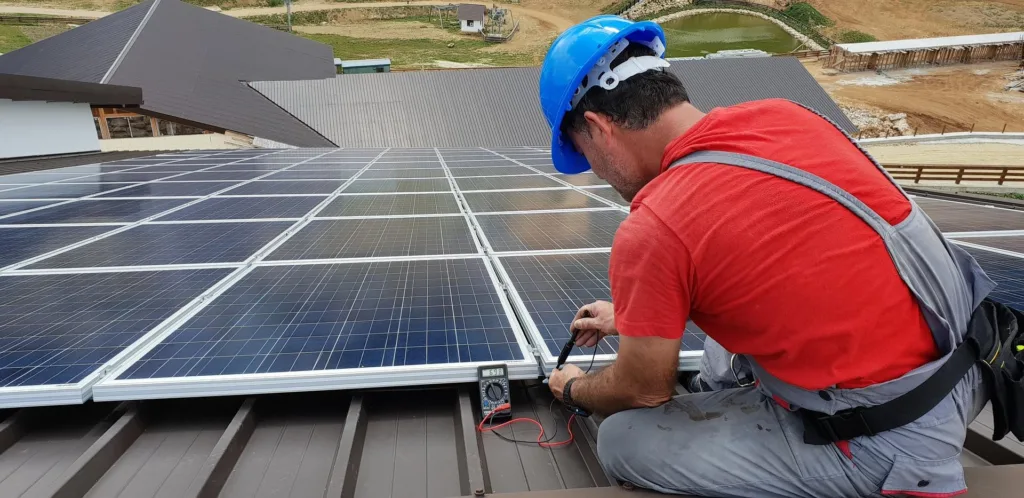
Maintenance and Performance Optimization
Routine Maintenance Requirements
Even though microinverters require less maintenance compared to traditional string inverters, scheduled maintenance or replacement may be needed if individual units fail. The modular nature means individual panel failures only affect single units rather than entire system output.
Performance Monitoring
Module-level microinverters enable tracking individual panel performance using smartphone apps, alerting users when power performance falls short of expectations for maintenance checks. S-Miles Cloud smart monitoring platform provides access to detailed operational data for every module remotely in real-time.
Temperature Management Concerns
Australian installer testing revealed concerns about high operating temperatures of Hoymiles microinverters compared to Enphase units, suggesting importance of proper ventilation and installation practices in hot climates.
Applications of HMS Photovoltaik Across Different Sectors
Residential Solar Solutions
Rooftop Installations: Homeowners maximize property value and energy independence through comprehensive solar arrays that can meet 80-100% of household electricity needs. HMS series offers flexible design from small-scale residential balconies to large commercial rooftop installations, with power range 300W to 2250W.
Balcony Solar Systems: Compact configurations work even with complex rooftops having different orientations, enabling apartment dwellers to participate in solar energy adoption.
Optimal Use Cases: Microinverters are ideal for roofs with partial shading from trees or buildings, multiple orientations (east/west/south-facing sections), or complex shapes.
Commercial and Industrial Applications
HMS-2000 series Sub-1G wireless solution allows stable communication in commercial and industrial settings, making them particularly suitable for large-scale installations where reliable long-range communication is essential.
Integration with Energy Storage
Hoymiles’ comprehensive energy storage solutions include hybrid inverters (HYS) and new low-voltage LB-10D-G2 battery, enabling users to store excess solar energy during day for night use. HMS microinverters can operate in parallel with battery systems like IQ Battery 3T for backup power during grid outages.
The Future of HMS Photovoltaik Technology
Emerging Innovations
Recent product launches include MS-A2 (world’s first AC-coupled micro storage), MiT (world’s first 5000W super microinverter), and HMS-WB (microinverter with built-in Wi-Fi and Bluetooth), demonstrating continued innovation in both power conversion and communication technologies.
MS-A2 micro storage features high-quality batteries supporting over 6,000 charge-discharge cycles with self-heating function for reliable operation in extremely cold temperatures, expanding HMS Photovoltaik applications to challenging climate zones.
Market Expansion
Hoymiles launched microinverters in US, Europe, and Australia markets in 2015, establishing Australian office in Melbourne and European headquarters in Frankfurt with localized sales, technical, and logistics networks. As of 2022, over 1 million Hoymiles microinverters installed across more than 100 countries and regions with annual production capacity reaching 2 million units.
Conclusion: Making the Right Choice for Your Solar Investment
HMS Photovoltaik represents a mature, proven approach to solar energy generation that delivers compelling advantages for specific applications. The 2025 market offers more options than ever, with Hoymiles providing competitive 20-40% cost savings compared to Enphase while maintaining solid performance.
When HMS Photovoltaik Makes Sense:
- Roofs with shading issues or complex orientations
- Desire for panel-level monitoring and diagnostics
- Long-term system reliability prioritization
- Budget-conscious installations seeking Enphase alternatives
- Future system expansion plans
Key Considerations:
- Higher upfront investment ($1,500-$3,000 premium) justified by 5-25% production increases in non-ideal conditions
- Hoymiles failure rate of 0.18% demonstrates strong reliability
- Extended warranties (up to 25 years) provide long-term protection
- Potential elimination of federal tax credits by end of 2025 creates urgency for decisions
By carefully evaluating your specific requirements, roof conditions, and long-term goals against the detailed data presented in this guide, you can make an informed decision about whether HMS Photovoltaik technology represents the optimal solar investment for your situation.
Frequently Asked Questions About HMS Photovoltaik
Q: How long do HMS microinverters last? Hoymiles microinverters come with standard 12-year warranty extendable to 25 years. Quality units typically match solar panel lifespans of 25-30 years.
Q: Can HMS systems work during power outages? HMS microinverters can operate in parallel with battery systems for backup power during grid outages, though standard grid-tied systems automatically shut down for utility worker safety.
Q: How much do HMS microinverters cost compared to Enphase? Hoymiles offers $100-$180 per unit pricing (20-40% savings vs. Enphase’s $166-$242), with complete 20-panel systems approximately $6,453 cheaper.
Q: What is the failure rate of HMS microinverters? Hoymiles reports average failure rate of 0.18%, demonstrating strong reliability across their installed base.
Q: Are HMS microinverters compatible with all solar panels? HMS microinverters are designed compatible with all mainstream solar panel brands ranging from 300 watts to 670 watts.
Q: Do HMS systems require internet connectivity? Unlike some competitors, Hoymiles doesn’t require continuous internet connection for warranty validity, though connectivity enables monitoring and remote diagnostics.
Q: What monitoring capabilities do HMS systems provide? HMS systems enable module-level monitoring through S-Miles Cloud platform, allowing users to check operation data and performance of each module remotely in real-time.
Q: How does HMS efficiency compare to competitors? HMS microinverters achieve industry-leading peak efficiency up to 96.7%, matching Enphase performance while maintaining significantly lower cost.