The insurance industry is evolving faster than ever, and content creators, agents, and businesses need effective platforms to share their expertise. Whether you’re an insurance professional looking to establish authority or a content creator aiming to educate consumers, understanding how to leverage article submission platforms can transform your digital presence.
This comprehensive guide explores everything you need to know about publishing insurance-related content through platforms like UploadArticle.com, optimizing for search engines, and building credibility in this competitive industry.
What Is Insurance UploadArticle?
Insurance UploadArticle refers to the process of creating, submitting, and publishing insurance-related content on article submission platforms. These platforms allow insurance professionals, agents, brokers, and content creators to share educational articles, guides, tips, and industry insights with a broad audience.
UploadArticle.com stands out as a popular platform where contributors can publish content across various categories, including insurance. The platform offers:
- Free article submission with instant publishing capabilities
- SEO benefits through backlinks and indexed content
- Wide audience reach across multiple insurance niches
- Simple submission process with minimal approval delays
- Category diversity covering health, auto, home, life, and business insurance
Unlike traditional blogging that requires building a website from scratch, article submission platforms provide immediate visibility and established traffic, making them ideal for insurance professionals who want to focus on content rather than technical setup.

Why Insurance Professionals Should Publish Articles Online
The insurance market has become increasingly digital. According to recent industry data, over 66% of consumers use search engines to research insurance products before making purchasing decisions. Here’s why publishing articles matters:
Build Trust and Authority
Insurance is built on trust. When potential clients find your helpful articles answering their questions, you establish yourself as a knowledgeable resource rather than just another salesperson. Educational content demonstrates expertise and builds confidence before the first contact.
Improve Search Visibility
Every published article creates a new opportunity to appear in search results. When someone searches “how to choose life insurance coverage” or “best practices for filing home insurance claims,” your articles can position you as the solution to their problem.
Generate Quality Leads
Unlike paid advertising that stops when your budget runs out, articles continue working 24/7. A well-written piece on “understanding auto insurance deductibles” can attract qualified prospects for years after publication.
Cost-Effective Marketing
Traditional insurance marketing through direct mail, TV ads, or billboards requires significant investment. Article marketing costs nothing but time and effort, delivering compounding returns as your content library grows.
Stay Competitive
Major insurance companies invest heavily in content marketing. Independent agents and smaller agencies can compete by consistently publishing valuable content that addresses specific local concerns or niche insurance topics.
Types of Insurance Content That Perform Well
Not all insurance articles are created equal. Certain content types consistently attract readers and generate engagement:
Educational Guides
Comprehensive guides that break down complex insurance concepts perform exceptionally well. Topics like “Understanding Your Health Insurance Policy: A Complete Breakdown” or “Term vs. Whole Life Insurance: Which Is Right for You?” satisfy searcher intent and establish authority.
These guides should:
- Explain concepts in simple language without jargon
- Include real-world examples and scenarios
- Address common misconceptions
- Provide actionable takeaways
Comparison Articles
Consumers love comparison content because it helps them make informed decisions. Articles comparing insurance providers, policy types, or coverage options attract readers actively researching their options.
Effective comparison articles include:
- Clear side-by-side breakdowns
- Pros and cons for each option
- Specific use cases for different scenarios
- Unbiased analysis without heavy promotion
Claims Process Explanations
One of the most stressful aspects of insurance involves filing claims. Articles that walk readers through the claims process for different insurance types provide immediate value when people need it most.
Cover topics like:
- Step-by-step claim filing procedures
- Common claim denial reasons and how to avoid them
- Documentation requirements for different claim types
- Timeline expectations from filing to settlement
Cost-Saving Tips
Everyone wants to reduce insurance expenses without sacrificing coverage. Articles offering legitimate cost-saving strategies attract readers and demonstrate you understand their concerns.
Share actionable advice such as:
- Bundling strategies that provide real discounts
- Coverage adjustments that balance protection and affordability
- Seasonal timing for policy renewals
- Credit score improvements that affect premiums
Industry News and Updates
Insurance regulations, laws, and best practices constantly evolve. Articles covering recent changes keep your content fresh and position you as an up-to-date resource.
Focus on:
- New legislation affecting coverage or pricing
- Technology innovations changing the industry
- Natural disasters or events impacting specific insurance markets
- Consumer protection updates

How to Get Started With UploadArticle for Insurance Content
Publishing your first insurance article on UploadArticle.com involves several straightforward steps:
Step 1: Create Your Account
Visit UploadArticle.com and register for a free account. You’ll provide basic information including your name, email, and professional details. This takes just a few minutes and gives you immediate access to the platform.
Step 2: Choose Your Insurance Category
UploadArticle organizes content into categories. Select “Insurance” or the most specific subcategory relevant to your article, such as:
- Health Insurance
- Auto Insurance
- Life Insurance
- Home Insurance
- Business Insurance
Proper categorization ensures your content reaches the right audience and appears in relevant searches.
Step 3: Craft Your Article
Write your article directly in the platform’s editor or upload a prepared document. Focus on quality over quantity, articles between 1,000 and 2,000 words typically perform best, providing enough depth without overwhelming readers.
Step 4: Optimize for Search
Before submitting, optimize your article with:
- A compelling, keyword-rich title under 60 characters
- Natural keyword integration throughout the content
- Subheadings that structure your information clearly
- Internal links to related articles when relevant
- A strong conclusion with actionable next steps
Step 5: Add Your Author Bio
Include a brief author bio (50-100 words) that establishes your credentials. Mention your insurance specialization, years of experience, and how readers can contact you for professional services.
Step 6: Submit and Promote
Once published, share your article through your social media channels, email newsletter, and professional networks. This amplifies reach beyond the platform’s built-in audience.
SEO Best Practices for Insurance Articles
Search engine optimization determines whether your articles get found or get buried. Follow these proven techniques:
Conduct Proper Keyword Research
Use tools like Google Keyword Planner, SEMrush, or Ahrefs to identify what potential clients actually search for. Focus on long-tail keywords like “affordable health insurance for freelancers in Texas” rather than broad terms like “health insurance.”
Look for keywords with:
- Moderate to high search volume
- Clear search intent
- Lower competition from major insurance companies
- Relevance to your target audience and services

Write Naturally First, Optimize Second
Search engines prioritize user experience over keyword density. Write your article for human readers first, then carefully integrate keywords where they fit naturally. Forced keyword insertion damages readability and can trigger spam filters.
Structure Content With Headers
Use H2 and H3 tags to organize your content logically. This helps both readers and search engines understand your article’s structure. Each header should clearly indicate what the following section covers.
Answer Real Questions
Google increasingly prioritizes content that directly answers specific questions. Structure sections around common insurance questions like “How much life insurance do I need?” or “What factors affect auto insurance rates?”
Include Relevant Examples
Abstract insurance concepts become clearer with concrete examples. Instead of just explaining “comprehensive coverage,” describe scenarios: “If a tree falls on your parked car during a storm, comprehensive coverage pays for repairs.”
Link to Authoritative Sources
Support claims with links to reputable sources like insurance regulatory bodies, government agencies, or recognized industry publications. This builds credibility and demonstrates thorough research.
Optimize Meta Elements
Write a compelling meta description (150-160 characters) that summarizes your article and includes primary keywords. This appears in search results and influences click-through rates.
Keep Content Fresh
Update articles periodically with new information, current statistics, and recent regulatory changes. Search engines favor regularly updated content that remains relevant.
Common Mistakes to Avoid
Even experienced writers make errors that limit article effectiveness. Avoid these pitfalls:
Being Too Promotional
Readers seek information, not sales pitches. Articles that feel like advertisements get abandoned quickly. Focus 90% on education and 10% on subtle positioning of your services.
Using Insurance Jargon
Terms like “subrogation,” “indemnity,” and “underwriting” mean nothing to most consumers. When technical terms are necessary, define them clearly in everyday language.
Neglecting Mobile Readers
Over 60% of web traffic comes from mobile devices. Ensure your articles read well on smartphones with:
- Short paragraphs (3-4 sentences maximum)
- Frequent subheadings for scanability
- Bullet points for easy-to-digest information
- Clear formatting without excessive text walls
Ignoring Local Relevance
Insurance regulations and needs vary significantly by location. When appropriate, include location-specific information that resonates with your target market rather than generic national advice.
Overlooking the Call to Action
Every article should guide readers toward a next step. This might be downloading a guide, scheduling a consultation, or reading a related article. A missing or weak call to action wastes the engagement you’ve built.
Publishing Infrequently
One article won’t transform your business. Consistent publishing, weekly or biweekly, builds a content library that compounds your visibility and authority over time.
Measuring Your Article Performance
Publishing content without tracking results wastes opportunity. Monitor these key metrics:
Traffic Sources
Use analytics tools to determine where readers find your articles. Are they coming from search engines, social media, or direct links? This reveals which distribution channels work best.
Time on Page
Readers who spend several minutes on your article likely found it valuable. Short visit durations suggest content doesn’t match their expectations or needs improvement.
Bounce Rate
High bounce rates (readers leaving immediately) indicate your title or introduction doesn’t deliver on its promise. Revise to better match reader intent.
Conversion Actions
Track how many readers take desired actions, contacting you, downloading resources, or visiting your website. These conversions demonstrate your content’s effectiveness at generating business results.
Keyword Rankings
Monitor where your articles rank for target keywords. Rising rankings indicate effective optimization; stagnant or falling positions suggest needed adjustments.
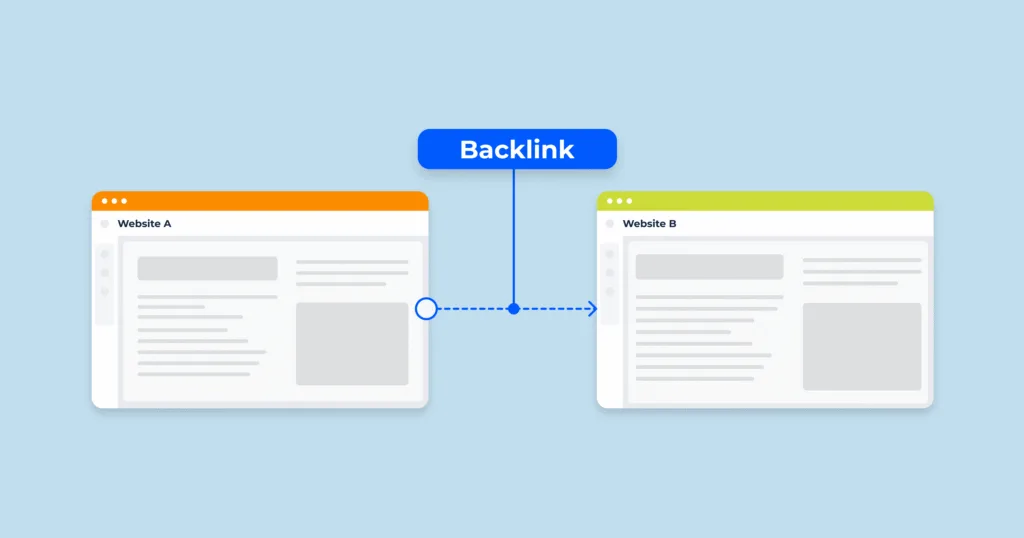
Backlinks Generated
Quality articles naturally earn backlinks from other websites citing your expertise. These links boost your domain authority and search rankings across all content.
Advanced Strategies for Insurance Content Success
Once you’ve mastered the basics, implement these advanced techniques:
Create Content Clusters
Build multiple articles around a central topic. For example, create a comprehensive guide on “Home Insurance Essentials” then support it with focused pieces on specific aspects like flood coverage, earthquake protection, or replacement cost valuation. Link these articles together to signal topical authority to search engines.
Leverage Seasonal Trends
Insurance needs fluctuate seasonally. Publish hurricane preparedness and homeowners insurance articles before hurricane season. Create content about health insurance enrollment during open enrollment periods. This timely content attracts readers when interest peaks.
Address Current Events
Natural disasters, legislation changes, or major news events create immediate information needs. Quickly publishing relevant articles during these moments captures significant traffic from news-driven searches.
Incorporate Data and Statistics
Original research or compiled statistics make your articles more linkable and shareable. Even simple surveys of your clients about common insurance concerns can provide unique data points that differentiate your content.
Develop Case Studies
Real-world examples of how proper insurance helped (or inadequate coverage hurt) make abstract concepts concrete. Anonymized client stories, with permission, demonstrate practical value and build emotional connection.
Use Multiple Content Formats
While articles form your foundation, consider supplementing them with:
- Infographics that visualize complex insurance concepts
- Checklists readers can download and use
- Videos explaining key points from your articles
- Podcasts discussing insurance topics in conversational format
Building Long-Term Success Through Content Marketing
Article submission provides immediate benefits, but sustainable success requires strategic thinking:
Develop a Content Calendar
Plan your publishing schedule months ahead. This ensures consistent output, allows alignment with seasonal trends, and prevents last-minute scrambling for topics.
Repurpose Successful Content
Transform your best-performing articles into other formats. A popular article on auto insurance deductibles could become:
- A social media post series
- An email newsletter topic
- A video script
- A podcast episode
- A downloadable guide
Engage With Your Audience
Respond to comments on your articles. Answer questions and provide additional insights. This engagement builds community and often reveals new content topics your audience wants addressed.
Collaborate With Others
Guest post on complementary websites and invite others to contribute to your content. These partnerships expand your reach into new audiences while providing fresh perspectives.
Stay Current With Industry Changes
The insurance landscape constantly evolves. Dedicate time to professional development, industry publications, and continuing education. This knowledge fuels relevant, timely content that serves your audience.
Analyze and Adapt
Regularly review your content performance. Which topics resonate most? What keywords drive traffic? Which articles convert readers to clients? Use these insights to refine your strategy continuously.
Frequently Asked Questions
How long should my insurance articles be?
Aim for 1,000 to 2,000 words for most topics. Complex subjects may require longer, in-depth treatment, while straightforward tips can work in shorter formats. Focus on thoroughly answering the reader’s question rather than hitting a specific word count.
How often should I publish new articles?
Consistency matters more than frequency. Publishing one quality article weekly builds better results than sporadic bursts of content followed by long gaps. Start with a sustainable schedule and increase frequency as you develop efficient processes.
Can I republish the same article on multiple platforms?
While technically possible, duplicate content can dilute your SEO value. Instead, create unique articles for each platform or substantially rewrite content if you want to reach different audiences on multiple sites.
Do I need to be a licensed insurance professional to publish articles?
No licensing requirement exists for educational content, but you should clearly indicate if you’re not offering professional advice. Licensed professionals should include their credentials to build credibility and trust.
How do I avoid making articles sound like advertisements?
Focus on answering questions and solving problems rather than promoting services. Provide complete information even if some solutions don’t involve buying your products. Reserve promotional elements for your author bio and a subtle call-to-action at the end.
What if competitors write about the same topics?
Competition validates topic demand. Differentiate through unique perspectives, local expertise, detailed examples, or addressing specific audience segments. Your experience and voice make even common topics uniquely valuable.
How soon will I see results from article marketing?
SEO results typically take 3-6 months as search engines index content and build authority. However, some articles gain immediate traction if they address trending topics or fill obvious information gaps. Think long-term while celebrating early wins.
Should I include pricing information in articles?
General pricing guidance helps readers understand costs, but avoid specific quotes that quickly become outdated. Explain factors that affect pricing and provide ranges rather than exact numbers.
Conclusion
The insurance industry’s digital transformation creates unprecedented opportunities for professionals who embrace content marketing. Article submission platforms like UploadArticle.com remove traditional barriers to publishing, allowing anyone with expertise and commitment to build authority and attract clients.
Success doesn’t happen overnight. It requires consistent effort, genuine desire to help your audience, and willingness to learn and adapt. Start by publishing your first article this week. Share one piece of knowledge that could help someone make a better insurance decision.
Each article you publish builds your digital presence, establishes your expertise, and creates another pathway for potential clients to find you. The insurance professionals who thrive in coming years won’t necessarily be those with the biggest advertising budgets—they’ll be the ones who consistently provide value and build trust through helpful content.
Your expertise matters. Your insights can help people protect what they value most. Start sharing that knowledge today, and watch as your authority, visibility, and business grow organically through the power of quality content.
Ready to start your insurance content journey? Create your UploadArticle.com account today and publish your first article. Your future clients are searching for answers right now, make sure they find yours.