Understanding Blackheads
What Blackheads Are
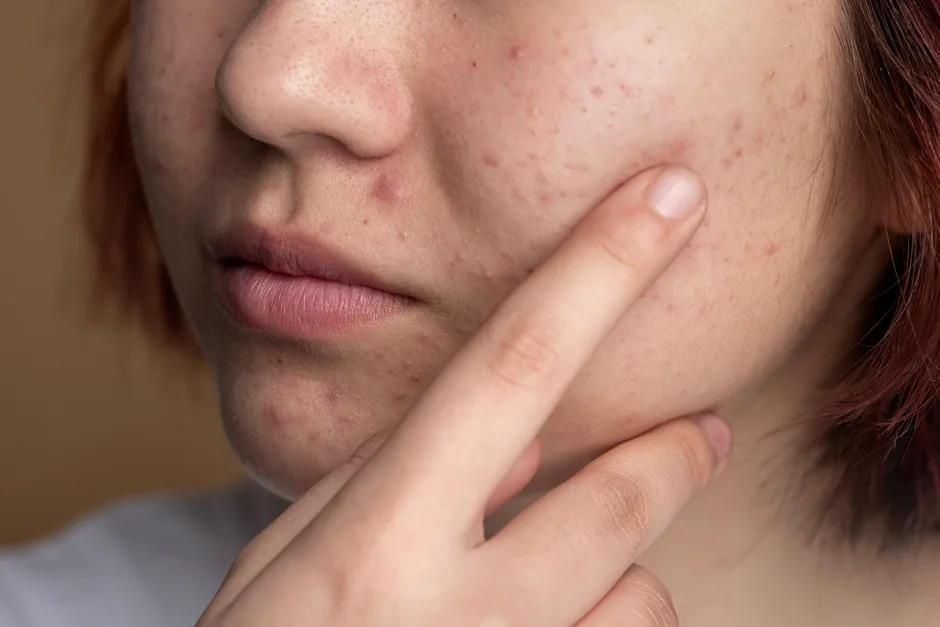
Blackheads, medically known as open comedones, are a common skin concern that occurs when hair follicles become clogged with excess oil, dead skin cells, and debris. Unlike pimples or whiteheads, the top of a blackhead remains open, exposing the contents to air. This exposure causes the material to oxidise, resulting in the dark colour characteristic of blackheads.
Blackheads are most frequently found on the face, particularly around the nose, chin, and forehead, although they can also appear on the back, chest, and shoulders. While they are not typically painful or inflamed, blackheads can affect self-confidence and contribute to the appearance of uneven skin texture.
Factors That Contribute to Blackhead Formation
Several factors increase the likelihood of blackhead development:
- Excess Sebum Production: The skin naturally produces oil, or sebum, to keep it hydrated. Overactive sebaceous glands can produce too much oil, which mixes with dead skin cells and blocks pores.
- Hormonal Fluctuations: Hormonal changes, particularly during puberty, menstruation, pregnancy, or conditions like polycystic ovary syndrome (PCOS), can trigger increased oil production.
- Poor Skincare Routine: Inadequate cleansing or the use of comedogenic products can contribute to clogged pores.
- Environmental Factors: Pollution, humidity, and exposure to dirt or chemicals can aggravate blackhead formation.
- Genetics: Some individuals are naturally more prone to blackheads due to inherited traits, such as larger or oilier pores.
Understanding these factors is essential for preventing blackheads and effectively addressing them through proper treatment.
How Blocked Pores Lead to Skin Concerns
The Process of Pore Blockage
Blackheads form when pores become clogged with sebum and dead skin cells. Normally, these substances are expelled through the surface of the skin. However, when the pore opening is partially blocked, the material remains trapped inside. The exposure to air causes oxidation, turning the material dark.
If left untreated, blocked pores can contribute to the development of whiteheads, pimples, and even more severe forms of acne. Continuous pore blockage can also lead to enlarged pores and rough skin texture, making the skin appear dull or uneven.
The Link Between Blackheads and Acne
While blackheads are a type of non-inflammatory acne, they share similar underlying causes with other acne forms, such as excess oil production and bacterial growth. Addressing blackheads promptly helps reduce the risk of further acne development and maintains healthier skin.
Effective Blackheads Treatment
Cleansing and Exfoliation
Proper cleansing is the first step in treating blackheads. Using gentle, non-comedogenic cleansers removes excess oil, dirt, and makeup without irritating the skin.
Exfoliation plays a critical role in preventing blocked pores. Chemical exfoliants containing ingredients such as salicylic acid or glycolic acid help dissolve the bond between dead skin cells, preventing them from accumulating in pores. Regular exfoliation keeps the skin smooth and reduces the likelihood of blackhead formation.
Professional Treatments for Blocked Pores
For persistent blackheads, professional blocked pores treatment can provide more effective results:
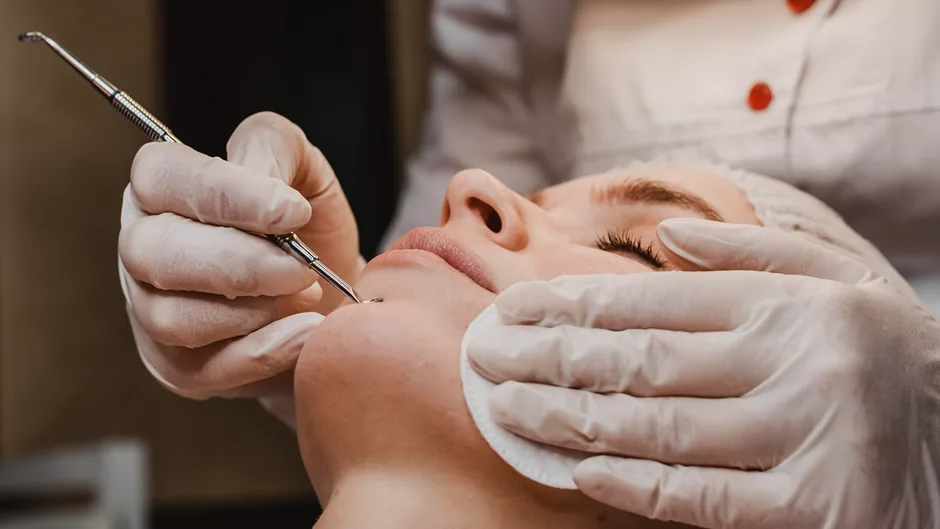
- Extraction Procedures: Conducted by trained dermatologists or skin therapists, these involve manually removing blackheads using specialised tools. This method ensures the pore is cleared safely without causing damage to surrounding skin.
- Microdermabrasion: This treatment uses a gentle abrasive device to remove dead skin cells and unclog pores. It can improve skin texture and reduce the appearance of blackheads.
- Chemical Peels: Superficial chemical peels help exfoliate the top layer of the skin and remove debris from pores. Ingredients like salicylic acid, lactic acid, or trichloroacetic acid are commonly used for this purpose.
- Laser and Light-Based Therapies: Certain light therapies target oil-producing glands and reduce bacteria on the skin, helping prevent blackheads from recurring.
At-Home Treatments and Skincare
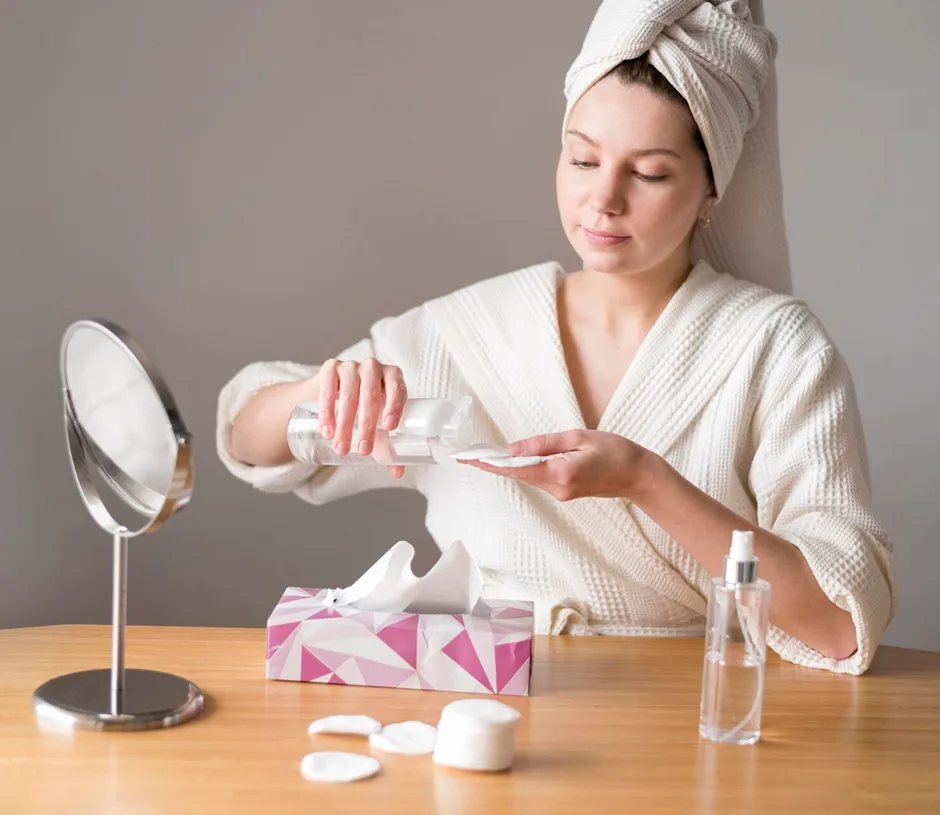
Maintaining a consistent at-home skincare routine is vital for preventing blackheads from returning. Recommended practices include:
- Non-Comedogenic Products: Choosing skincare and makeup products labeled as non-comedogenic reduces the risk of clogged pores.
- Regular Cleansing: Cleansing the face twice daily helps remove excess oil, dirt, and pollutants.
- Targeted Treatments: Over-the-counter products containing salicylic acid, benzoyl peroxide, or retinoids can help clear blocked pores and promote cell turnover.
- Moisturising: Even oily skin needs hydration. Using lightweight, non-comedogenic moisturisers helps maintain skin balance without contributing to blockages.
Lifestyle Adjustments
Certain lifestyle changes can complement treatment efforts and prevent blackheads:
- Healthy Diet: A balanced diet rich in fruits, vegetables, and whole grains supports overall skin health. Limiting processed foods and excessive dairy may also reduce excess oil production.
- Stress Management: Stress can trigger hormonal fluctuations that worsen blackheads. Practices such as exercise, meditation, and sufficient sleep can help maintain skin balance.
- Regular Skin Monitoring: Regularly checking for early signs of blocked pores allows for timely intervention, preventing blackheads from becoming more pronounced.
Conclusion
Blackheads are a common skin concern caused by blocked pores due to excess oil, dead skin cells, and other environmental or genetic factors. Understanding how these factors contribute to blackhead formation is essential for effective treatment.
Proper blackheads treatment involves a combination of cleansing, exfoliation, professional procedures, and consistent at-home skincare. Professional treatments such as extractions, chemical peels, and microdermabrasion can significantly improve results, while lifestyle adjustments help prevent recurrence.
By addressing the root causes of blocked pores and maintaining a consistent skincare routine, individuals can achieve clearer, smoother, and healthier skin. Blackhead management is not only about cosmetic improvement but also about supporting long-term skin health.